


Lab
Residual materials become resources.
Research becomes energy.
From metabolism in the reactor to sound process control. The source stays close, precise and controllable.

Lab
From metabolism in the reactor to sound process control. The source stays close, precise and controllable.
Farm
Lab logic becomes operation. The farm shows how energy arises where residual materials already occur.
Town
The scale opens up. The energy produced no longer supplies only the plant itself, but municipal customers.
Factory
In the end, capacity counts. The unit becomes a base for industrial processes.
The design becomes the plant.


DesignSymbolic image, AI-generated
BuiltConverted container in field use, Georgia 2026
Fitted outInterior with presentation and laboratory space
In useOn site, May 2026
For renewable energy recovery from biomass and biogenic residual materials, we develop and build plants.
BIO-H2 Umwelt GmbH combines expertise in civil engineering, project planning, biorefinery and biogas. Since 2004, our team has worked in global research projects on anaerobic technology and biomass use. Our work reduces environmental impact with viable energy technology and transfers this knowledge worldwide.
For biomass use, we plan, build and optimise systems. The range extends from lab device to large-scale container plant.
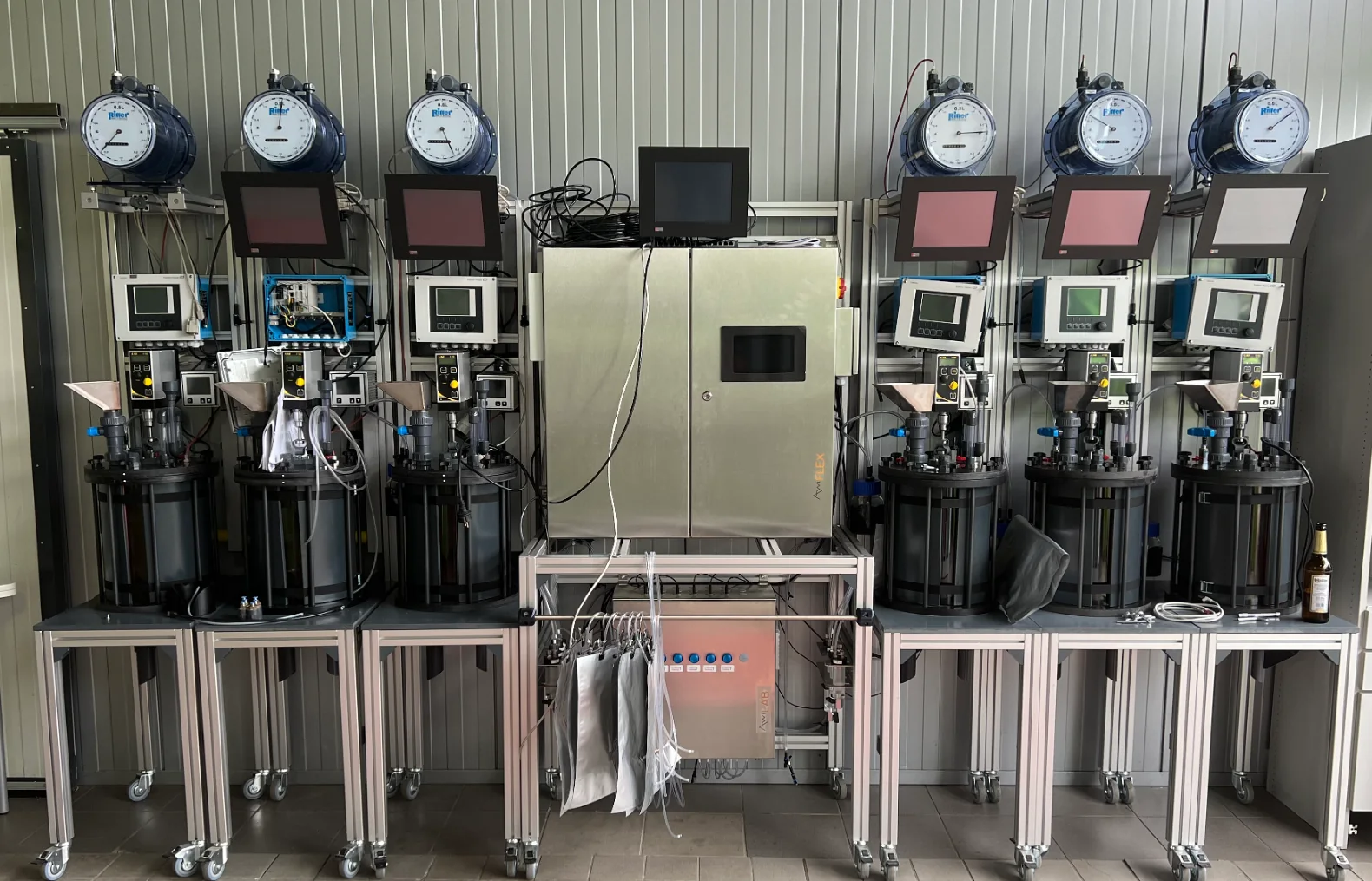
For biogas and fermentation labs, we make bioreactors, gas flow meters and lab pumps. The systems are low-maintenance and modular.
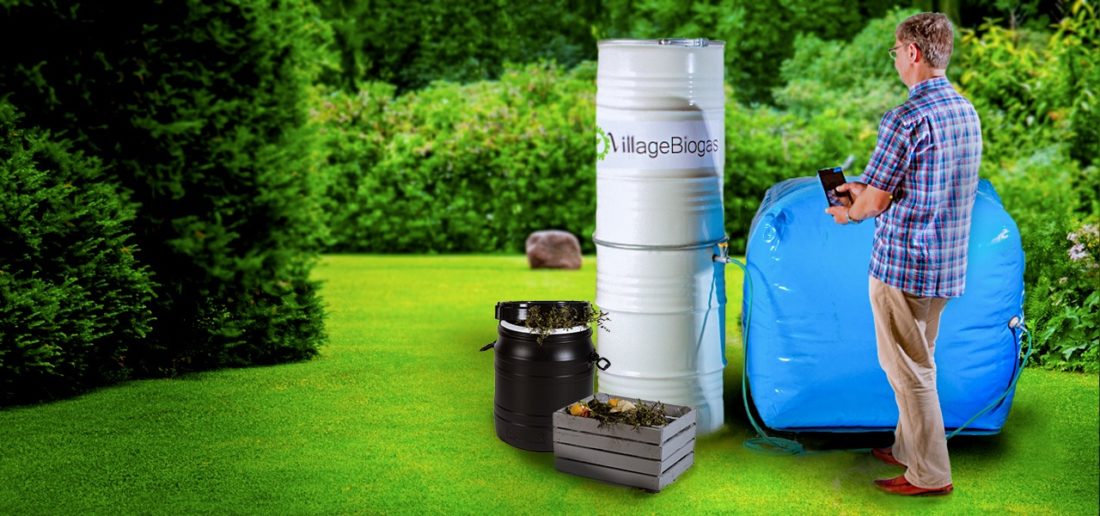
For households and smaller firms, we build small biogas plants up to 20 kW thermal. The Starter, Smart and Professional types generate energy from organic residual materials.

Concept
For our Village-Biogas plants, we make protective shells. They offer interfaces for energy modules and an integrated hydroponic system.

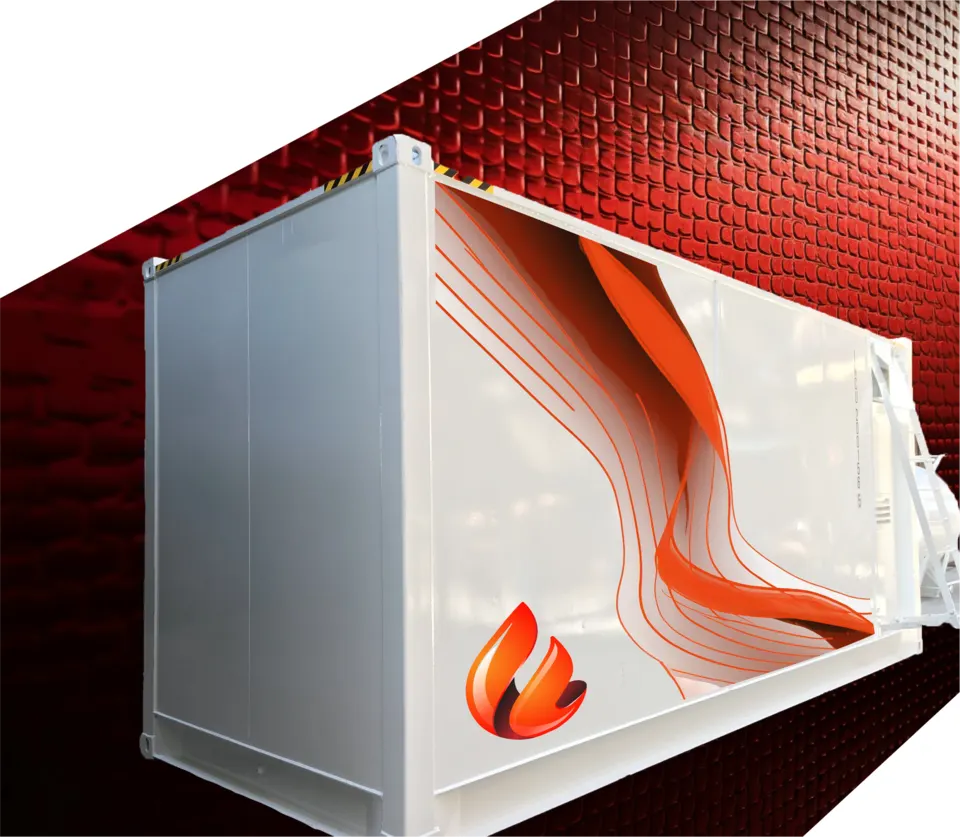
For municipalities, we build large-scale container plants. They process green waste, food waste and BioPowerFluid.

For waste conversion, we supply container plants. They recover biogas and nutrient-rich digestate from biogenic waste.
Concept
For pelletising green waste and cut grass, we make containers. The systems have an integrated biomass heater and come in two output classes.

As flexible biorefineries, we build mobile container systems. They serve on-site data collection and evaluation.
Since 2006, we have developed process engineering solutions to produce biohydrogen from waste materials. This pilot project demonstrates fermentative hydrogen production in practice. It shows how biogenic residual materials can be used for energy beyond classic methane digestion.


Research findings become working plants, and we support projects worldwide.
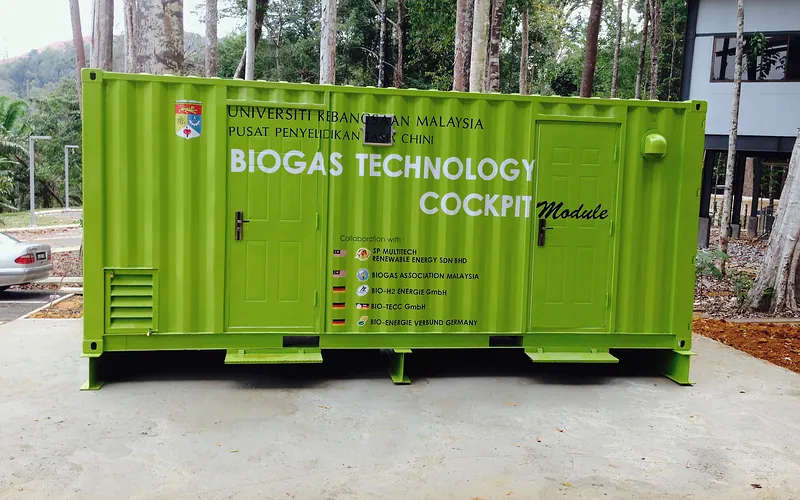
To study locally available biomass, we provided research facilities. The Biogas Technology Cockpit was created with Malaysian and German partners.

For resilient energy supply, we are building decentralised BIOPOWER modules. At the same time, we train Ukrainian specialists and integrate the knowledge into university teaching.

For mono-digestion of nitrogen-rich dried poultry manure, we built and operate a 900-kW biogas plant.
In the ZIM network “Plus Energie Kläranlage”, we developed and ran the first energy-self-sufficient wastewater treatment plant.
At a 12-megawatt wet fermentation plant, we optimised operations. The aim was to raise efficiency and extend the plant’s service life.
The experimental set-up in our Jena laboratory: crushed chocolate residues ferment into gas — here routed to hydrogen and converted into electricity. The same principle drives our biogas plants.
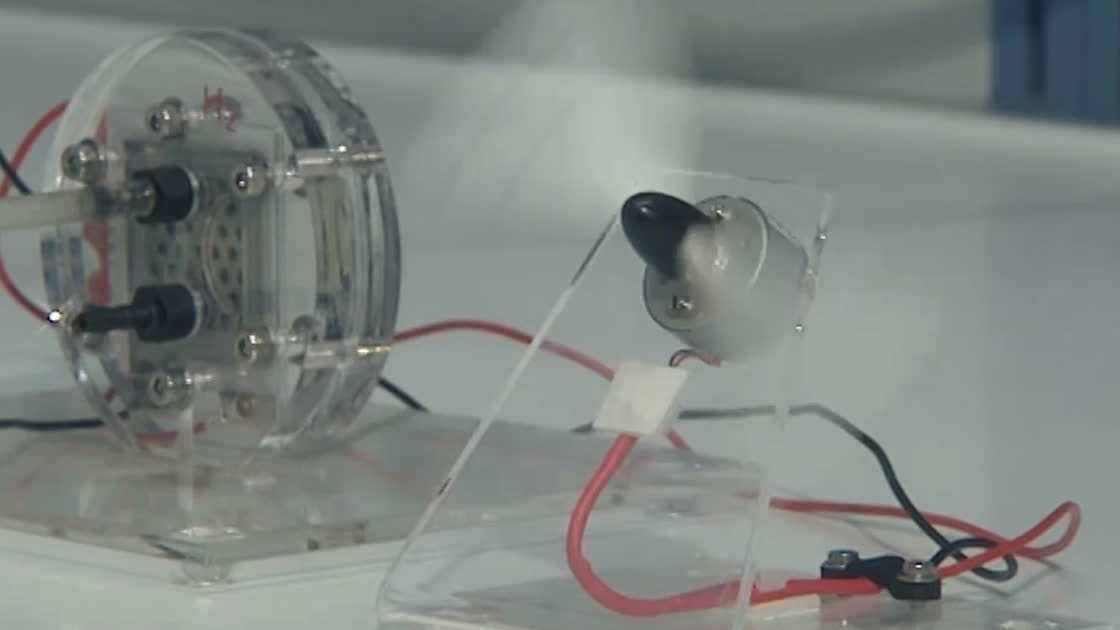
Edited from our own footage, recorded in the laboratory in Jena. No sound, no commentary.
A working energy transition needs technology that turns residuals into valuable materials.
For your project, we plan your plant, optimise your processes or equip your lab. Contact us for your project.
Get in touch