BIO-H2 Umwelt GmbH Logo
DE EN
Symbolic image, AI-generated

Thuringia

Where it began

In Thuringia, from our base in Jena, we deliver plant engineering and research into energy recovery from biomass.

04 GEMES biogas plant Saalfeld Saalfeld · wet fermentation in the 12 MW class

Saxony

The digital leap

At the Zwickau site, we work on digital measurement technology and control for biogas plants.

12 COCKPIT EXPLORER Zwickau · 2024 · market launch

Ukraine

Supply that remains

Together with GIZ, we are building decentralised modules in Ukraine for a resilient energy supply.

13 develoPPP “UKRAINE ENERGY AUTARK” 2024–2026 · with GIZ

Malaysia

Ten thousand km

In Malaysia, plant engineering and research come together: a mono-digestion plant in operation, plus research equipment at the university.

14 Pajam biogas plant Malaysia · 900 kW class
Anthracite-coloured container module on wooden blocks, two glass doors on the end face provide a view of the installed process technology
Completed container module with glass front, the installed process equipment behind it. Own photograph.

References

Thuringia

Plants

01

Jena sewage works

Location
Jena

conversion and optimisation

For energy-autonomous operation, we converted municipal wastewater treatment in Jena. This optimisation reduces the plant’s energy use.

02

Autark wastewater plant

ZIM network “Plus Energie Kläranlage”

We developed and operated the first energy-self-sufficient wastewater treatment plant within the ZIM network “Plus Energie Kläranlage”.

03

Hybrid works ZVA Pößneck

0.5 MW

Location
Pößneck

PAD technology

In Pößneck, our PAD technology generates energy in the 0.5 MW class. In-house additives also improve sewage sludge quality.

04

GEMES biogas plant Saalfeld

12 MW

Location
Saalfeld

wet fermentation

Through repowering, we raised the efficiency of a wet fermentation plant in the 12 MW class in Saalfeld. The revision also extends the plant’s service life.

05

Neue Energie Schmölln

12 MW

Location
Schmölln

dry fermentation

At the Schmölln site, we optimised dry fermentation in the 12 MW class. Our adjustments increase production capacity and efficiency.

Research

06

ZIM project “PAD”

Percolation container test plant

To optimise biogas plants, we designed a test plant based on percolation containers. The trials improve substrate utilisation.

07

ZIM project “Metagene”

DNA-based rapid test

A DNA-based rapid test from our own development monitors anaerobic systems. The method secures process stability and raises efficiency.

08

ZIM project “2PBA”

Microbial population

Interventions in the microbial population change the sequences in anaerobic processes. Our research into this modification increases biogas production.

09

NEVO research project

since 2017

nitrogen-rich farm manure

Since 2017, we have studied energy use of nitrogen-rich farm manure. The trials focus on digestion of poultry manure.

10

ZIM project “BiPoGas”

from 1.1.2018

biopolymers

Biodegradable plastics were to be recovered as materials or energy. For this purpose, we planned test plants and studied pretreatment, hydrolysis and the anaerobic stage.

Saxony

11

Digital transformation of the biogas sector

Location
Zwickau

completed · ERDF/SAB

Intelligent gas measurement and control systems optimise energy generation in this completed ERDF project. For more precise process control, we introduced them.

12

COCKPIT EXPLORER

2024

Location
Zwickau

market launch

As a mobile container system, our biorefinery collects data directly on site. This allows assessment of a plant’s or retrofit’s technical and economic viability.

Ukraine

13

develoPPP “UKRAINE ENERGY AUTARK”

2024–2026

with GIZ

Five BIOPOWER plants use local biowaste in Ukraine for decentralised energy supply. Ukrainian specialists also receive training, and we bring the knowledge into university teaching.

Malaysia

14

Pajam biogas plant

900 kW

Location
Malaysia

The plant we built in Malaysia operates in the 900 kW class. Its substrate is 100 percent dried poultry manure.

15

Research container Universiti Kebangsaan Malaysia

Biogas Technology Cockpit

Universiti Kebangsaan Malaysia studies locally available biomass with our research container. The equipment supports process engineering on site.

16

Collaborative Research Agreement

2014

Universiti Kebangsaan Malaysia

Research agreements with Universiti Kebangsaan Malaysia have formed the basis for knowledge transfer since 2014. The local Biogas Technology Cockpit was created with Malaysian and German partners.

Green 20-foot container lettered “Universiti Kebangsaan Malaysia · Pusat Penyelidikan Tasik Chini · Biogas Technology Cockpit Module” with the list of participating partners
The Biogas Technology Cockpit at Universiti Kebangsaan Malaysia’s Tasik Chini research centre. The lettering names the partners of the project. From the project archive, 2014.
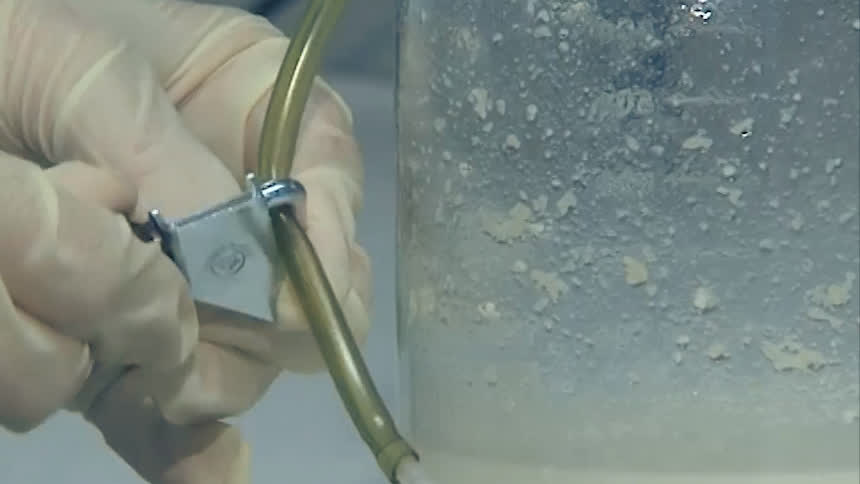
Gloved hand opening a tube clamp on the gas line of a fermentation bottle
Laboratory footage: gas offtake from a fermentation bottle via the tube clamp.

Talk to us about your next project

Whether plant, research project or market launch: we clarify which technical solution and project setup fit.

Contact us

Funding notes

Digitalisierungszuschuss EFRE 2021–2027, Sächsische Aufbaubank (SAB): Die Zuwendung wird aus Mitteln des Europäischen Fonds für regionale Entwicklung (EFRE) zur Verfügung gestellt. Vorhaben: „Digitale Transformation der Biogasbranche: Einführung von intelligenten Gasmess- und Steuerungssystemen für eine optimierte Energieerzeugung und -nutzung“, Vorhabensnummer 100712013, Vorhabensort Zwickau. Begünstigter: Bio-H2 Umwelt GmbH.

Ziele und Ergebnisse: Ziel war es, manuelle Prozesse der Biogasproduktion durch automatisierte, digitale Lösungen zu ersetzen — für eine präzisere Energieerzeugung, geringere Betriebs- und Wartungskosten und weniger Emissionen. Umgesetzt wurden eine mehrstufige KI-Steuerung, die Substrat- und Hilfsstoffdosierung anhand von Temperatur, Druck und Gaszusammensetzung laufend anpasst, eine Havariesoftware mit Notabschaltung und Zwei-Wege-Authentifizierung sowie eine Bilderkennung zur Überwachung der Fermentation. Ergebnis sind Echtzeit-Datenerfassung statt verzögerter Reaktion, eine störungsfreiere Produktion mit höherer Energieausbeute, geringerer Ressourcenverbrauch und ein deutlich verbesserter Schutz vor Cyberangriffen. Das Vorhaben ist abgeschlossen.

Freistaat Sachsen (COCKPIT EXPLORER): Diese Maßnahme wird mitfinanziert aus Mitteln der Europäischen Union und durch Steuermittel auf der Grundlage des vom sächsischen Landtag beschlossenen Haushalts. Begünstigter: Bio-H2 Umwelt GmbH.

Ziele und Ergebnisse: Ziel des Vorhabens war die Markteinführung eines mobilen Containersystems, das biogene Rohstoffe direkt vor Ort nach VDI 4630 analysiert und den Prozess KI-gestützt steuert. Bisher mussten Proben in externe Labore gehen, was Planungen verzögerte und verteuerte. Umgesetzt wurden die Vor-Ort-Analytik mit parallel geführten Proben, eine automatisierte Prozesssteuerung und die Auswertung, aus der sich die Machbarkeit einer Anlage beurteilen lässt. Ergebnis ist eine deutlich verkürzte Prozessanalyse bei höherer Messgenauigkeit, ein geringerer Planungsaufwand für Neuanlagen und die Umrüstung bestehender Anlagen sowie qualifizierte Arbeitsplätze am Standort Sachsen. Das Vorhaben ist abgeschlossen.

Projekttitel: Intensivberatung und Prozessbegleitung durch Unternehmensberater/in

Begünstigter: Bio-H2 Umwelt GmbH

Projektbeschreibung: Im Rahmen der Beratungsrichtlinie des Freistaates Thüringen erhält unser Unternehmen eine Förderung für Beratungen und Prozessbegleitungen. Diese unterstützen Strategien zum Aufbau und zur nachhaltigen positiven Entwicklung und Sicherung von KMUs. Die daraus resultierenden Ergebnisse und Handlungsempfehlungen werden in einem Beratungsbericht festgehalten. Die Förderung erfolgt aus Mitteln des Europäischen Sozialfonds Plus und aus Mitteln des Freistaats Thüringen.

Kofinanziert von der Europäischen Union Logo Thüringer Ministerium für Wirtschaft, Wissenschaft und Digitale Gesellschaft Kofinanziert von der Europäischen Union und dem Freistaat Sachsen: Diese Maßnahme wird mitfinanziert durch Steuermittel auf der Grundlage des vom Sächsischen Landtag beschlossenen Haushaltes.